How Smartboards Changed the Way Classrooms Teach
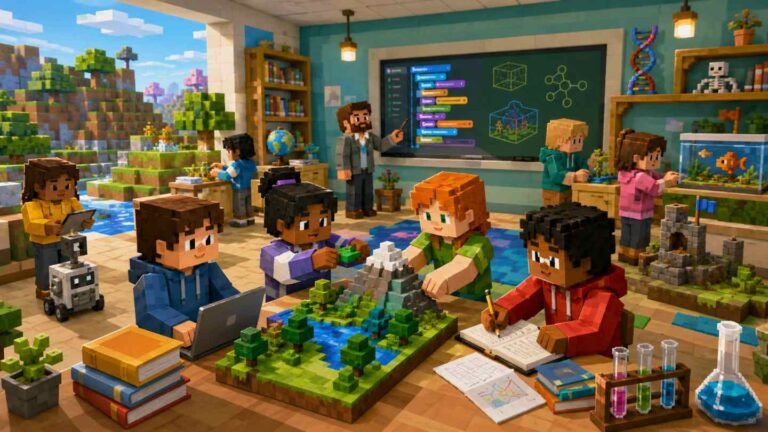
Picture this: it is a Friday morning, and the classroom hums with eager anticipation. Students shuffle in with colorful backpacks, half-finished conversations, and curious eyes fixed on the glowing Smartboard at the front of the room.
This is not just another screen. A Smartboard can turn a lesson into a shared experience, where students tap, drag, explore, answer, create, and interact with ideas instead of simply watching them pass by.
The arrival of Smartboards marked a major shift in teaching and learning. Lessons became more visual, more flexible, and more interactive. Instead of static content on a board, teachers gained a dynamic classroom canvas that could bring subjects to life.
The Shift in Student Engagement
Students today are surrounded by screens, apps, videos, games, and instant information. Traditional lectures can still be valuable, but they often struggle to compete with the pace and interactivity students are used to outside school.
Smartboards help bridge that gap by turning students from passive listeners into active participants. A lesson can become a puzzle, a map, a simulation, a quiz, a timeline, or a collaborative workspace.
A Smartboard does not just display information. It invites students to touch the lesson, move through it, and become part of the learning process.
Imagine a science class where students drag planets into orbit, a geography lesson where they explore maps in real time, or a history activity where they build timelines together. Suddenly, learning feels less like memorizing and more like discovery.
How Smartboards Make Lessons More Interactive
The power of a Smartboard lies in interaction. Instead of presenting a fixed image or writing notes line by line, teachers can combine visuals, movement, sound, questions, and student participation in one place.
That interactivity can make difficult ideas easier to see and easier to remember.
Visual exploration
Students can zoom in, move objects, label diagrams, and see abstract topics become more concrete.
Gamified activities
Quizzes, matching games, point-based challenges, and class competitions can make review more exciting.
Instant feedback
Students can answer, correct, adjust, and try again while the lesson is still fresh.
Empowering Teachers with Flexible Tools
For teachers, Smartboards can feel liberating. Instead of being limited to a blackboard, textbook, or projector, they can move fluidly between videos, diagrams, quizzes, images, annotations, and live discussion.
This flexibility gives teachers more room to adapt. If students are confused, the teacher can pull up a visual example. If energy drops, the lesson can shift into a short interactive activity. If a question sparks curiosity, the class can explore it immediately.
Smartboards do not make great teaching automatic, but they can give great teachers more ways to explain, respond, and inspire.
In a classroom with mixed abilities and learning styles, that adaptability matters. Some students need visuals. Some need discussion. Some need hands-on practice. Smartboards can help teachers offer multiple pathways into the same lesson.
A New Avenue for Collaborative Learning
Collaboration is one of the biggest strengths of Smartboards. Instead of learning happening only between teacher and student, the board becomes a shared space where groups can build, solve, explain, and present together.
Students can gather around the board, move ideas into categories, annotate images, solve problems, complete timelines, or brainstorm as a class.
Shared thinking
Students can see each other’s ideas develop in real time, making collaboration more visible.
Connected learning
Lessons can branch into maps, videos, virtual tours, and real-world examples that expand the classroom walls.
Creative teamwork
Groups can design presentations, solve challenges, and explain ideas using visuals and movement.
A Smartboard can turn the classroom into a workshop. Students are not only receiving information; they are building meaning together.
Opening Doors Beyond the Classroom
With internet-connected Smartboards, a lesson does not have to stay inside four walls. Teachers can bring in videos, expert talks, virtual field trips, interactive maps, live data, and global resources.
Imagine studying marine biology and watching ocean research footage, exploring a museum collection during a history lesson, or analyzing current weather maps in science class. These experiences make learning feel immediate and connected to real life.
When students see how lessons connect to the wider world, curiosity becomes easier to awaken.
Challenges and Learning Curves
Like any powerful tool, Smartboards come with challenges. Some teachers may feel intimidated by the technology, especially if they do not receive enough training. Others may struggle to use the board meaningfully beyond simple display.
The key is remembering that technology should serve learning, not distract from it. A flashy lesson is not automatically an effective lesson.
Challenge 1: Teacher training
Schools need to invest in professional development so teachers can use Smartboards confidently and creatively.
Challenge 2: Purposeful integration
The board should support clear learning goals. Interaction should deepen understanding, not simply add noise.
Challenge 3: Balancing screen time
Smartboards are helpful, but students still need discussion, writing, reading, hands-on activities, and human connection.
Creating an Inclusive Learning Environment
One of the strongest benefits of Smartboards is their potential to support different kinds of learners. Students who struggle with traditional text-heavy lessons may benefit from visuals, audio, movement, color, and interactive examples.
For students with learning differences, English language learners, visual learners, and students who need more active engagement, Smartboards can provide multiple ways into the same concept.
Visuals support understanding.
Touch interaction keeps students involved.
Audio and narration add another pathway.
Multimedia makes lessons more accessible.
The goal is not for every student to learn in the same way. The goal is to give every student a fair path toward understanding.
Looking Ahead: The Future of Smartboards in Education
As technology evolves, Smartboards may become even more powerful. Future classrooms may combine interactive boards with augmented reality, live analytics, AI-supported lessons, virtual simulations, and global collaboration tools.
Still, the future of Smartboards should not be measured only by features. The real measure is whether they help students think better, ask better questions, and engage more deeply.
Augmented reality lessons
Real-time learning insights
Global classroom connections
The best classrooms of tomorrow will not rely on technology alone. They will combine innovative tools with thoughtful teaching, student curiosity, and meaningful human interaction.
The Real Lesson Behind Smartboards
Smartboards matter because they represent a broader shift in education. Learning is becoming less about one-way delivery and more about interaction, exploration, collaboration, and creativity.
A Smartboard is not powerful because it glows. It is powerful when it helps students see ideas clearly, participate actively, and connect lessons to the world around them.
👆 Touch makes learning active.
🤝 Collaboration builds confidence.
💡 Interaction sparks curiosity.
FAQs About Smartboards in Classrooms
1. How do Smartboards improve student engagement?
Smartboards improve engagement by making lessons interactive, visual, and participatory. Students can touch, move, answer, collaborate, and explore content in real time.
2. Are Smartboards useful for teachers?
Yes. Smartboards give teachers flexible ways to use videos, images, quizzes, diagrams, games, and live annotations to support different learning styles.
3. Can Smartboards support inclusive learning?
Yes. Smartboards can support inclusive learning through visuals, audio, touch interaction, multimedia content, and flexible formats that help different learners access the same lesson.
4. What is the biggest challenge of using Smartboards?
The biggest challenge is using them meaningfully. Schools need proper training and lesson planning so Smartboards enhance learning instead of becoming flashy distractions.
Final Thoughts
Smartboards have become more than high-tech classroom gadgets. They are part of a larger movement toward learning that is more active, visual, collaborative, and inclusive.
When used thoughtfully, they can help teachers bring lessons to life and help students connect with ideas in deeper ways. Every tap, swipe, drag, and shared answer can become part of a richer learning experience.
For a fun way to keep engaging with knowledge, check out this Bing quiz and see how much you know about the world around you.