How to Improve Learning Skills: Simple Study Habits That Help Knowledge Stick
Learning is not only about spending more hours with a book, video, course, or lesson. Real learning happens when information stays in your mind long enough to be used, explained, and applied. That is why many students, lifelong learners, and busy adults want to know how to improve learning skills without making study time feel overwhelming.
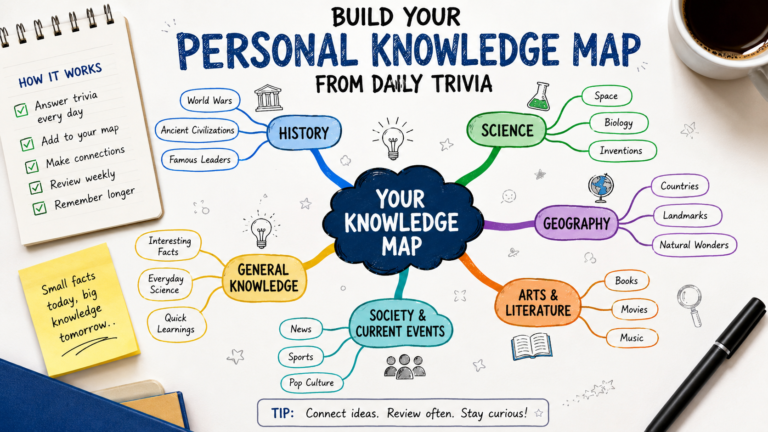
The good news is that better learning does not require complicated systems. Small, consistent habits can make a big difference. When you use practical study habits, better focus, active recall, repetition, clear notes, and curiosity, your brain has more chances to understand and remember what you study.
✨ Learning reminder: Knowledge sticks best when study becomes active, focused, and repeated over time.
This guide will show simple and realistic ways to build stronger learning skills, improve memory retention, and make knowledge stick one step at a time.
What Are Learning Skills?
Learning skills are the habits and methods that help you understand, remember, and use information. These skills are useful whether you are studying for school, learning a new job skill, reading for personal growth, or taking an online course.
Good learning skills include:
In simple terms, learning skills help you move from “I read it once” to “I understand it and can use it.”
Why Study Habits Matter
Many people think they are bad at learning when the real problem is their study routine. They may read the same page again and again, highlight too much, cram before a test, or try to study while distracted.
Strong study habits give your brain structure. Instead of hoping information will stick, you create a system that makes remembering easier.
Simple example: Studying for 20 minutes every day is often more effective than studying for three hours the night before a test. Short, repeated sessions help your brain revisit the material before it fades from memory.
Good study habits also reduce stress. When you know what to do, when to review, and how to test yourself, learning feels less random and more manageable.
Simple Habits That Help Knowledge Stick
Start With a Clear Study Goal
Before you begin studying, decide what you want to learn. A clear goal gives your brain direction.
“I will study science.”
“I will understand the difference between evaporation and condensation.”
“I will read this chapter.”
“I will identify the three main causes of the event explained in this chapter.”
This simple habit makes your study time more focused and useful.
Study in Short, Focused Sessions
Long study sessions can lead to mental fatigue. A better approach is to study in shorter blocks with full attention.
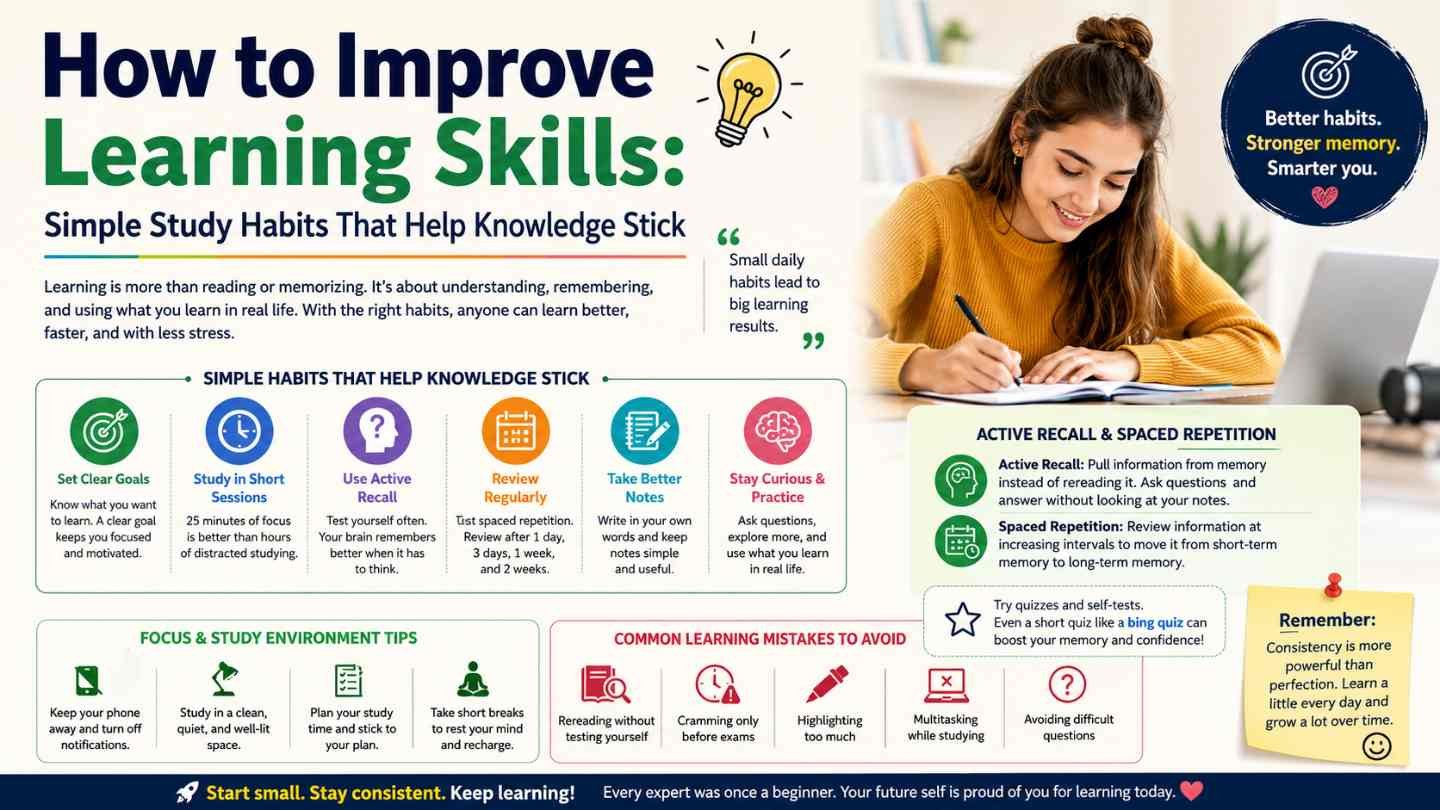
⏱ Try this pattern: Study for 25 minutes, then take a 5-minute break. After a few rounds, take a longer break.
During the study block, focus on one topic only. Avoid switching between subjects, messages, videos, and social media. Your brain learns better when it is not constantly changing direction.
Use the Teach It Back Method
One of the best effective study techniques is to explain what you learned as if you were teaching someone else.
What is the main idea?
How would I explain this to a younger student?
What example can I give?
If you can explain a topic clearly in your own words, you probably understand it. If you cannot explain it yet, that shows you exactly what to review.
Connect New Ideas to Real Life
Knowledge sticks better when it feels useful. Whenever possible, connect what you study to real situations.
This turns information from something abstract into something meaningful.
Active Recall and Spaced Repetition
What Is Active Recall?
Active recall means pulling information from memory instead of simply rereading it. This is one of the most powerful learning strategies because it trains your brain to retrieve knowledge.
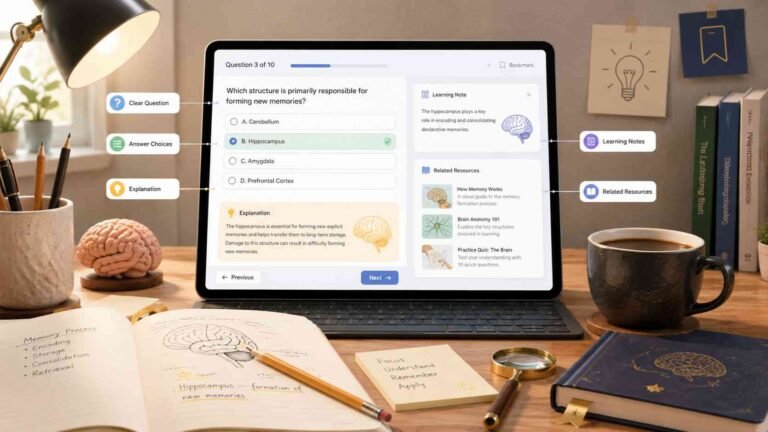
Instead of looking at your notes again and again, ask yourself questions.
What are the main points of this lesson?
What does this word mean?
What happened first, second, and third?
What problem does this formula solve?
The effort of remembering strengthens your memory.
How to Use Active Recall
After studying a topic, close your notes and write down what you remember. Then check your notes to see what you missed.
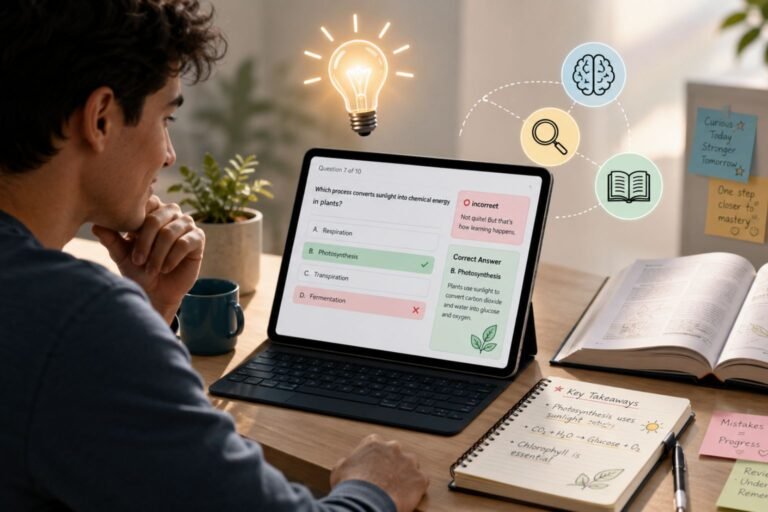
You can also create simple flashcards, practice quizzes, or question lists. Even answering a short quiz like a bing quiz can help train your brain to recall facts quickly and stay mentally active.
The key is not just reading answers. The key is trying to remember first.
What Is Spaced Repetition?
Spaced repetition means reviewing information over time instead of all at once. Your brain forgets naturally, so reviewing at the right intervals helps keep knowledge fresh.
Review after 1 day
Review again after 3 days
Review again after 1 week
Review again after 2 weeks
This habit is especially helpful for vocabulary, formulas, dates, definitions, Bible verses, work procedures, and exam topics. If you want to know how to learn faster, do not only study harder. Review smarter.
Focus, Distractions, and Study Environment
Build a Study Space That Helps You Think
Your environment affects your focus. You do not need a perfect room, expensive desk, or fancy setup. You only need a place that tells your brain, “This is where I study.”
Choose a clean, quiet spot when possible. Keep only the materials you need nearby. Remove extra tabs, unnecessary papers, and anything that pulls your attention away.
📓 A notebook
✍️ A pen
💧 A water bottle
📚 The lesson material
⏱ A timer
✅ A short task list
The fewer distractions around you, the easier it is to maintain focus while studying.
Control Digital Distractions
Phones are one of the biggest enemies of deep learning. Even if you do not open your phone, seeing notifications can break your attention.
Try placing your phone across the room, turning on focus mode, or studying with notifications off.
Simple rule: No checking messages until the study timer ends.
This small boundary helps train your attention.
Prepare Your Brain Before Studying
Do not jump into studying while your mind is scattered. Take one minute to prepare.
This quick reset helps your brain enter learning mode.
Note-Taking and Summarizing Lessons
Take Notes in Your Own Words
Good notes are not copies of the textbook. They are short, clear reminders of what matters. When taking notes, write ideas in your own words. This forces your brain to process the lesson instead of simply copying sentences.
Main idea: Plants need sunlight, water, and carbon dioxide for photosynthesis.
Example: Without sunlight, the plant cannot make enough food.
Simple notes are easier to review later.
Use the One-Page Summary Habit
After finishing a lesson, create a short summary. This is one of the most useful study tips because it helps you organize what you learned.
The main idea
Three important points
One example
One question you still have
One thing to review again
This method works for school subjects, work training, online courses, and personal reading.
Turn Notes Into Questions
Do not let your notes sit quietly in a notebook. Turn them into questions.
“Active recall improves memory because it forces retrieval.”
“Why does active recall improve memory?”
This makes your notes more useful for review and self-testing.
Practical Examples for Students and Adults
For Students Preparing for Exams
A student studying biology can improve learning skills by using a simple weekly routine. First, read the topic with a clear goal. Then write a short summary in their own words. After that, create five practice questions. The next day, answer those questions without looking at the notes. A few days later, review the questions again.
This method combines focus, note-taking, active recall, and spaced repetition.
For Busy Adults Learning a New Skill
A working adult learning Excel, writing, accounting, coding, or a new language may not have hours to study each day. That is okay.
A practical routine could be: study for 20 minutes before work or after dinner, watch one short lesson, practice one small task, write down what was learned, and review it the next day.
For Lifelong Learners
Lifelong learning is not about collecting information. It is about staying curious and growing little by little.
A lifelong learner can read one article, watch one educational video, or answer one quiz each day. Then they can ask: “What did I learn?” “How does this connect to something I already know?” “How can I use this?”
Common Learning Mistakes to Avoid
Mistake 1: Rereading Without Testing Yourself
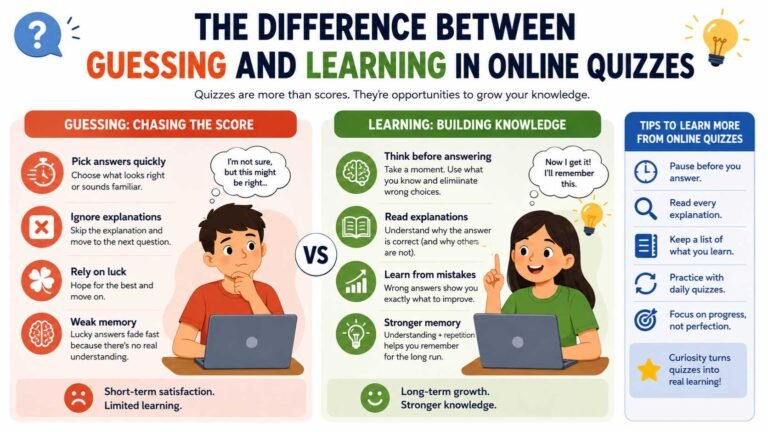
Rereading feels easy, but it can create a false sense of understanding. You may recognize the words without truly remembering the ideas. Fix it by closing the book and asking yourself questions.
Mistake 2: Studying Only Before a Deadline
Cramming may help you remember something briefly, but it is not good for long-term memory retention. Fix it by reviewing a little every day or every few days.
Mistake 3: Highlighting Too Much
Highlighting can be helpful, but highlighting entire paragraphs does not show what is truly important. Fix it by highlighting only key terms, main ideas, and confusing points that need review.
Mistake 4: Multitasking While Studying
Studying while checking messages, watching videos, or switching tabs makes learning weaker. Fix it by giving one topic your full attention for a short period.
Mistake 5: Avoiding Difficult Questions
The questions that feel hard are often the questions that teach you the most. Fix it by treating mistakes as clues. A wrong answer shows where your understanding needs more practice.
FAQ About Improving Learning Skills
What is the best way to improve learning skills?
The best way to improve learning skills is to combine clear study goals, focused sessions, active recall, spaced repetition, and regular practice. Small daily habits are more effective than occasional long study sessions.
How can I remember what I study?
To remember what you study, test yourself after learning, review the material over several days, and explain the lesson in your own words. These habits improve memory retention and make knowledge easier to recall.
How can I focus while studying?
To improve focus while studying, remove distractions, use a timer, study one topic at a time, and keep your phone away during study sessions. A clean and quiet study environment also helps.
Is active recall better than rereading?
Yes. Active recall is usually more effective than rereading because it forces your brain to retrieve information. This strengthens memory and shows what you still need to review.
How long should I study each day?
You can start with 20 to 30 minutes a day. The goal is not to study for the longest time, but to study with focus and consistency.
Can adults improve learning skills too?
Yes. Adults can improve learning skills at any age. Lifelong learning becomes easier when adults use simple routines, practical examples, repetition, and real-life application.
Small Daily Practice Builds Strong Learning Skills
Improving learning skills does not happen in one perfect study session. It happens through small habits repeated consistently.
When you set clear goals, focus deeply, take useful notes, test yourself, review over time, and stay curious, learning becomes easier and more rewarding. You begin to understand more, remember more, and apply more of what you study.
The most important step is to start simple. Choose one habit today. Review one lesson. Ask one question. Write one summary. Practice one skill.
Final thought: Knowledge sticks when learning becomes a daily rhythm, not a last-minute rush.